Organisation news · Event recap
Empowering Chinese Families, Building a Warm and Connected Community | Celebrating the Official Launch of Chinese Family Support Network Victoria and Its 2026 Community Education Program
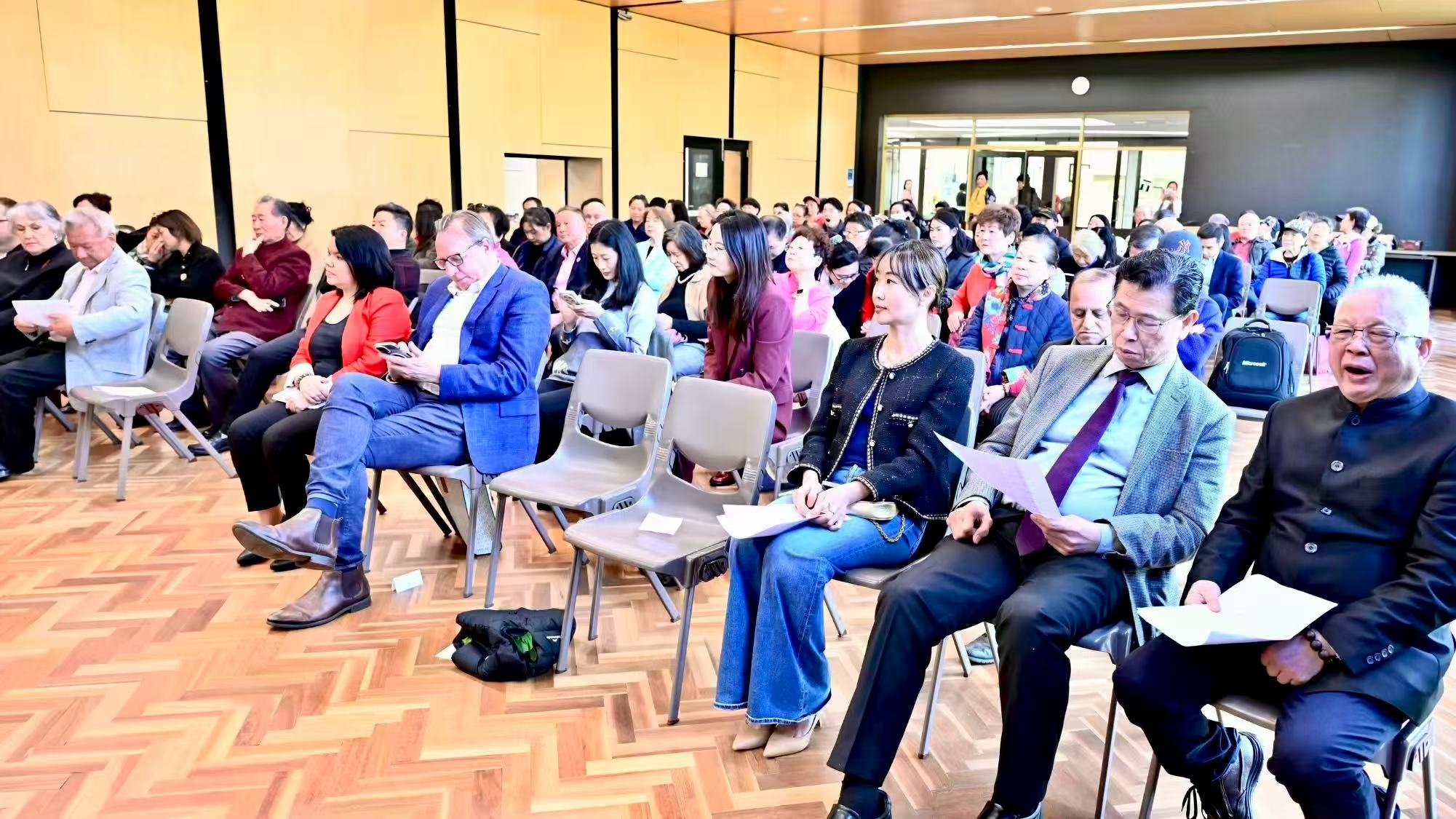
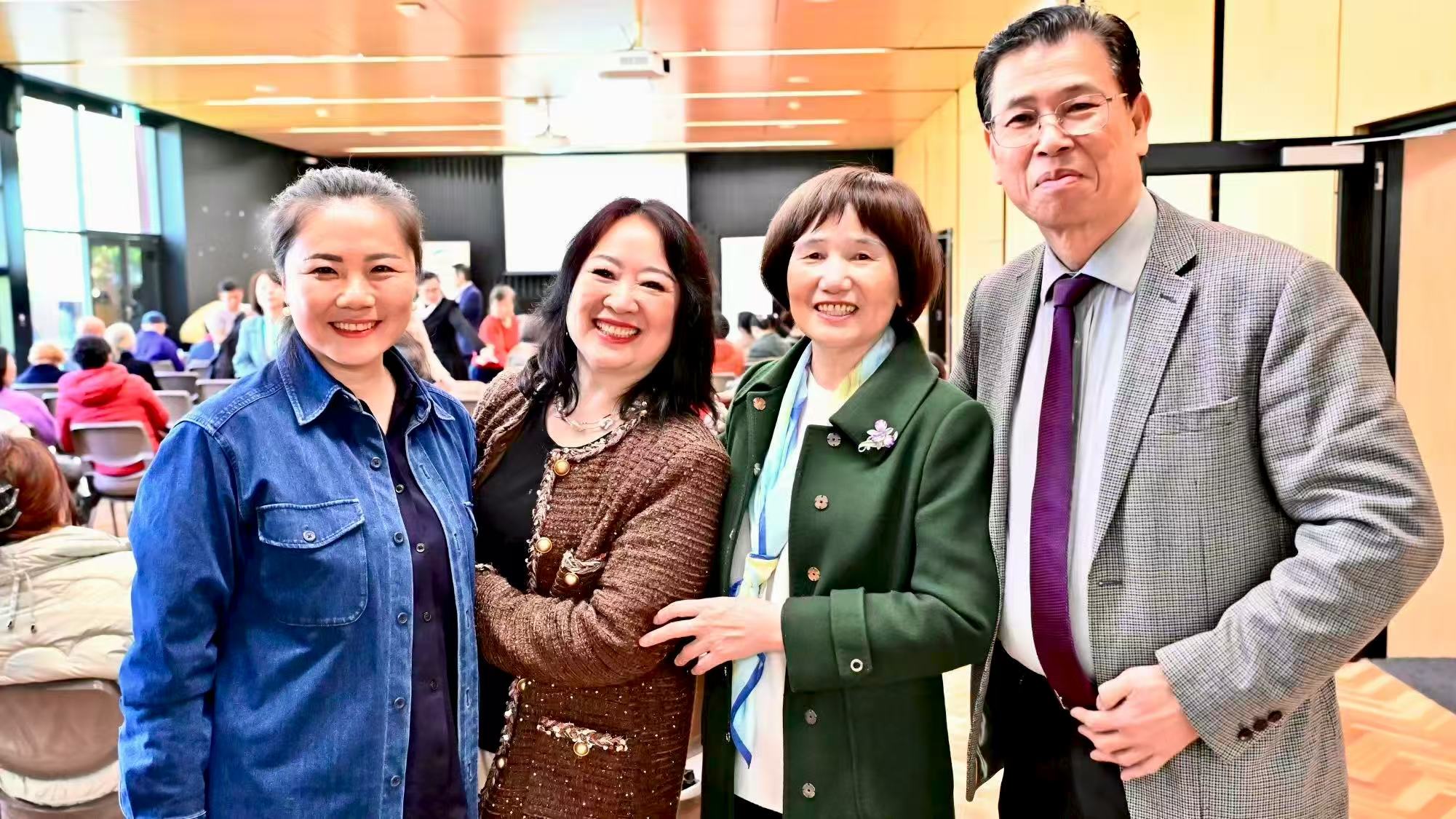
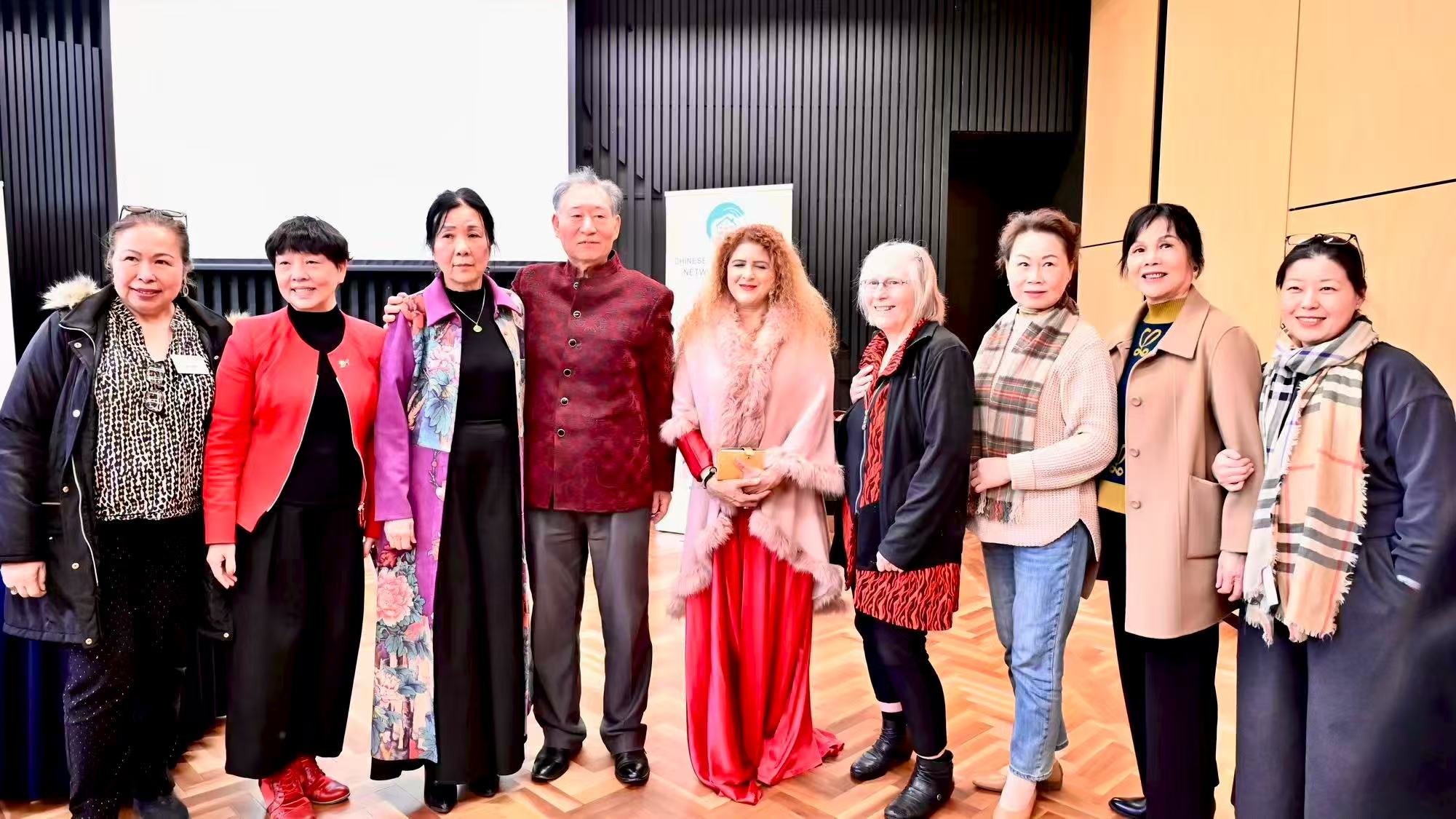
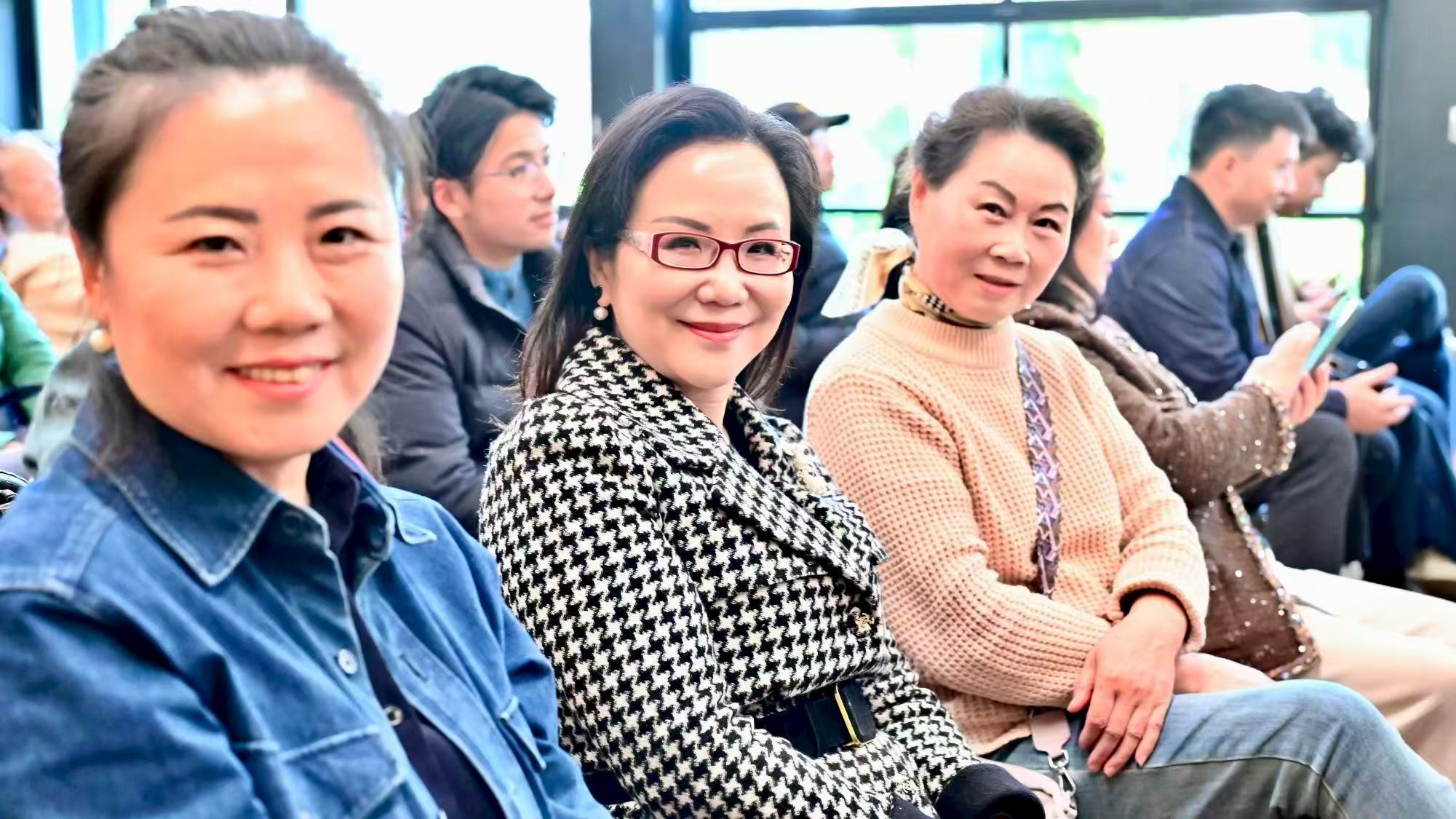
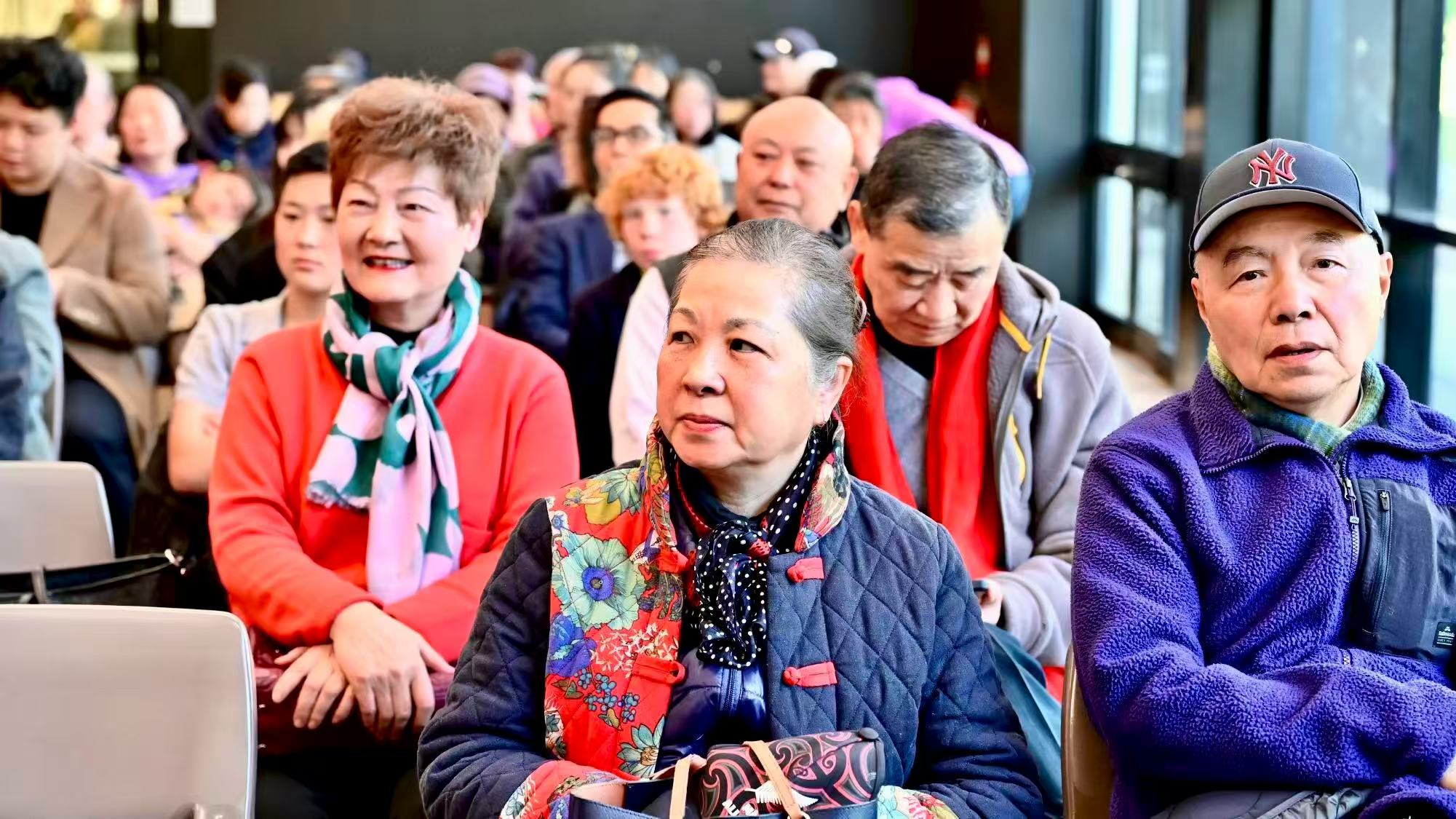
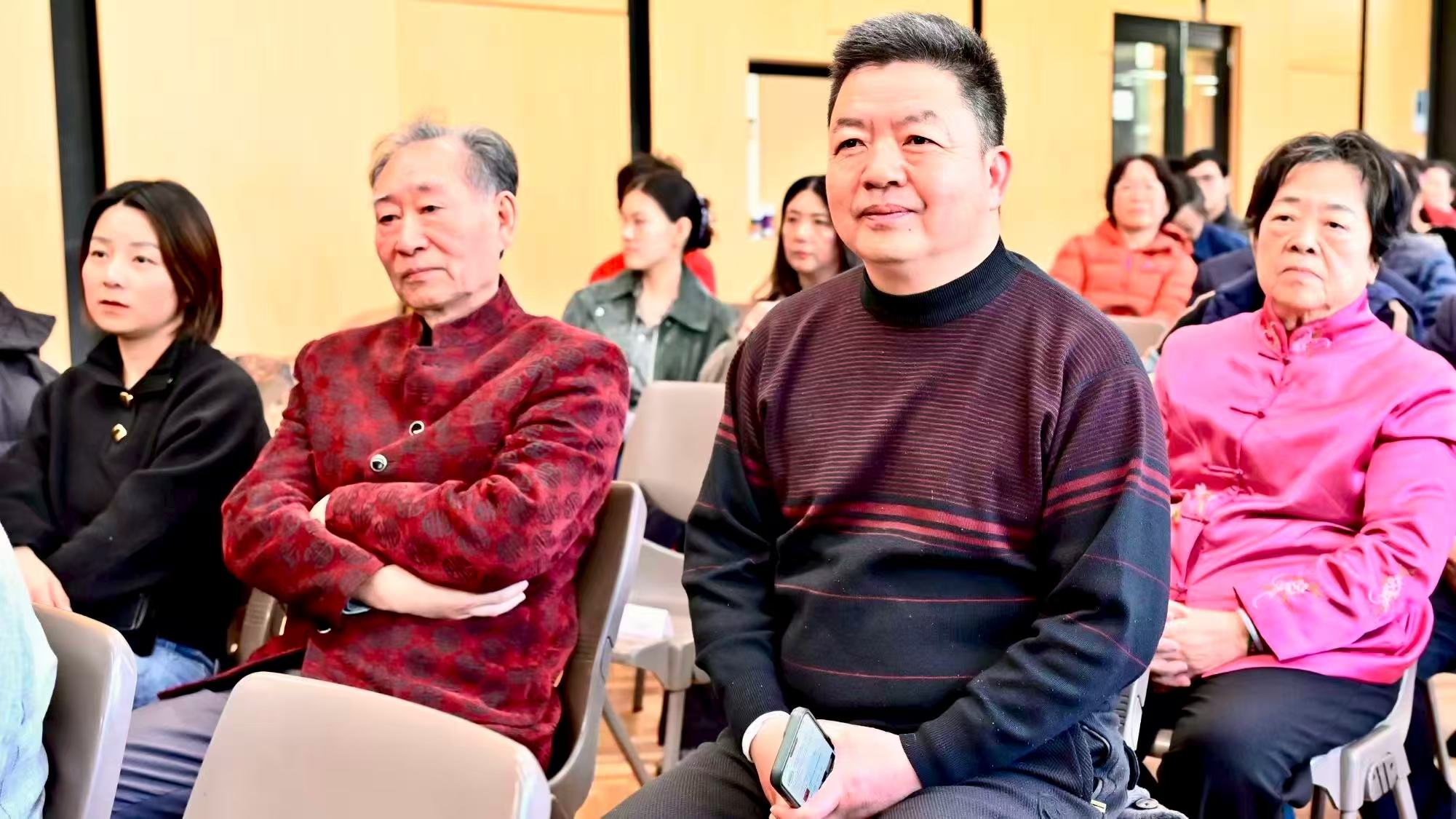
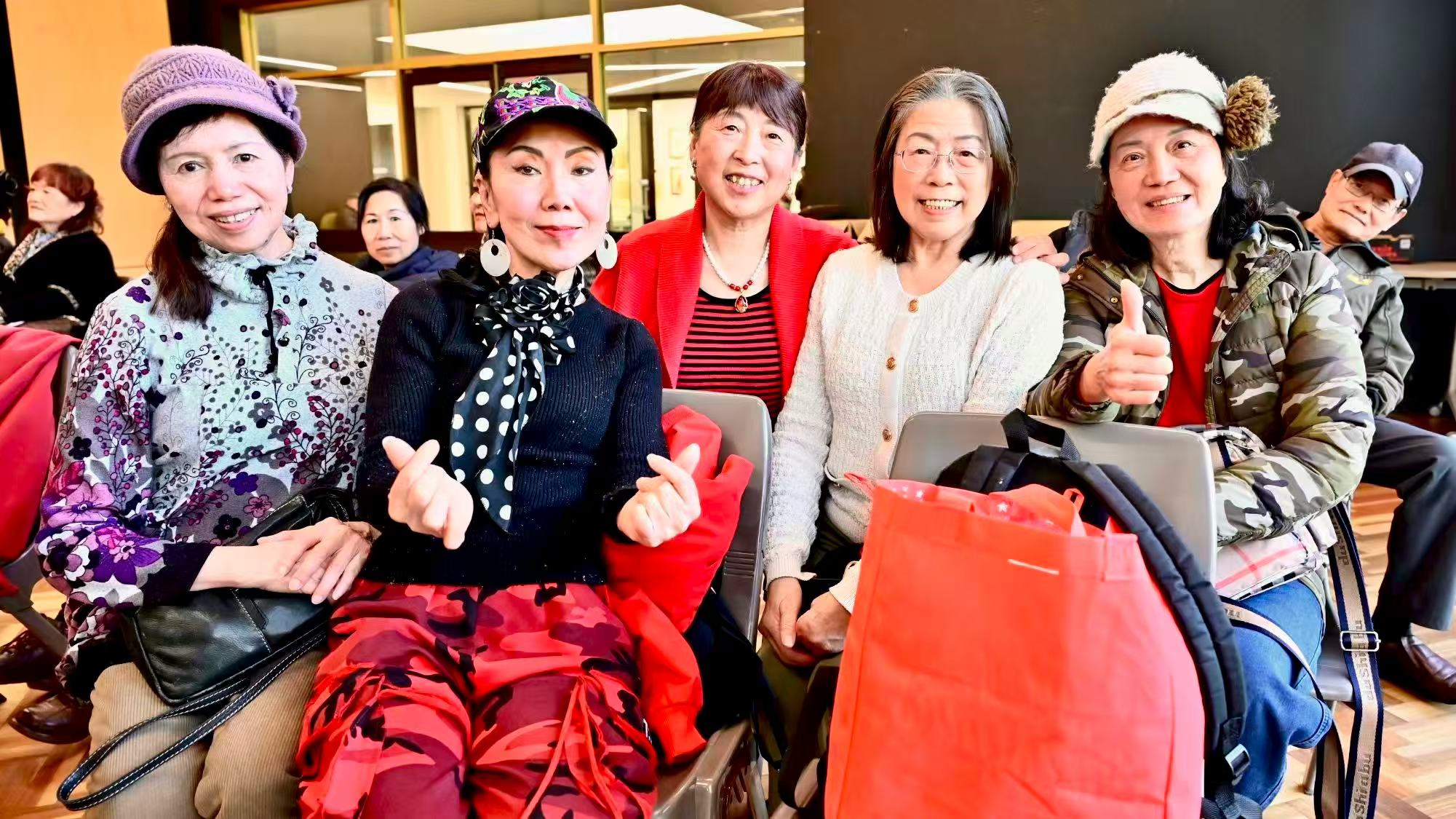
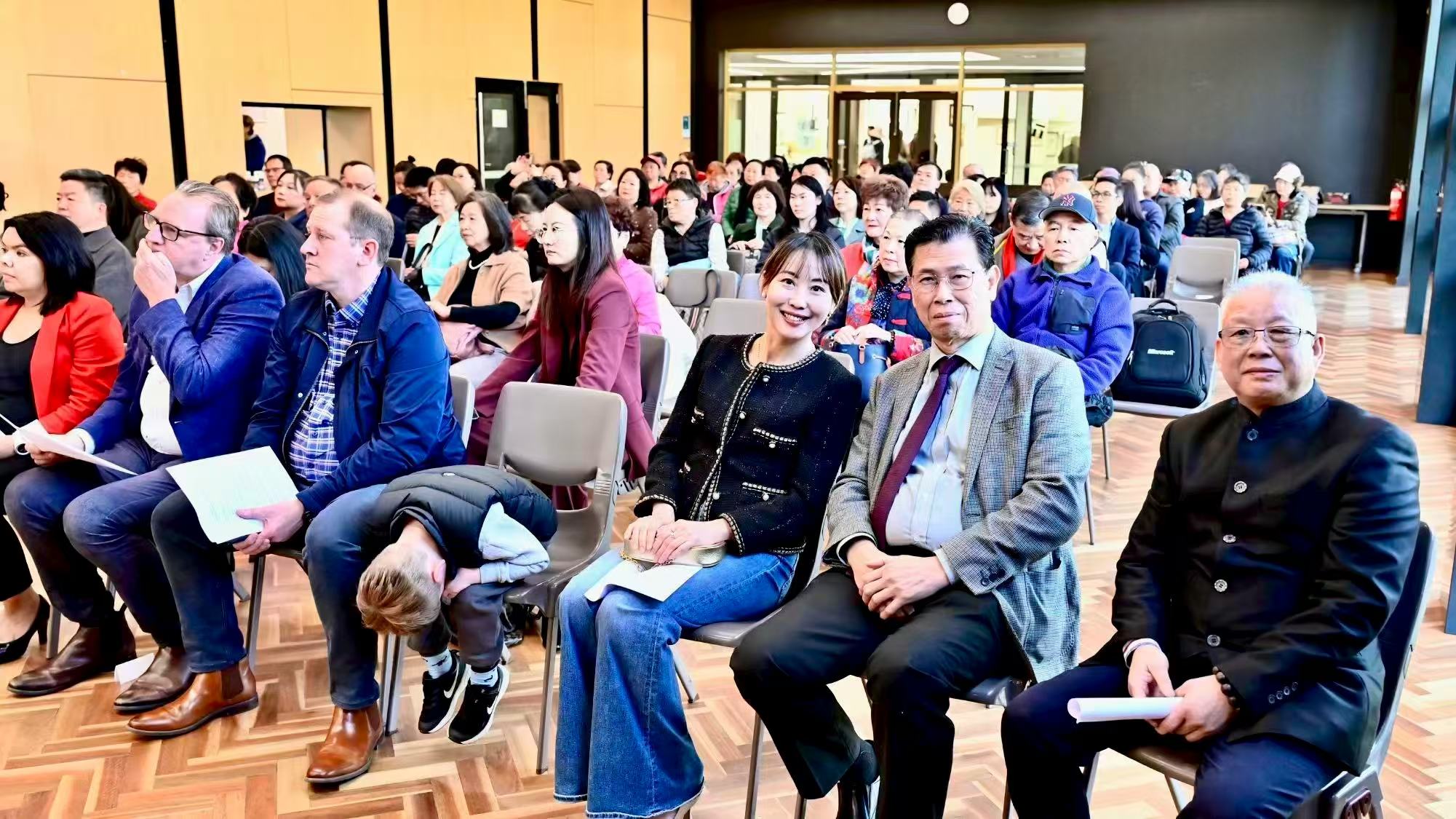
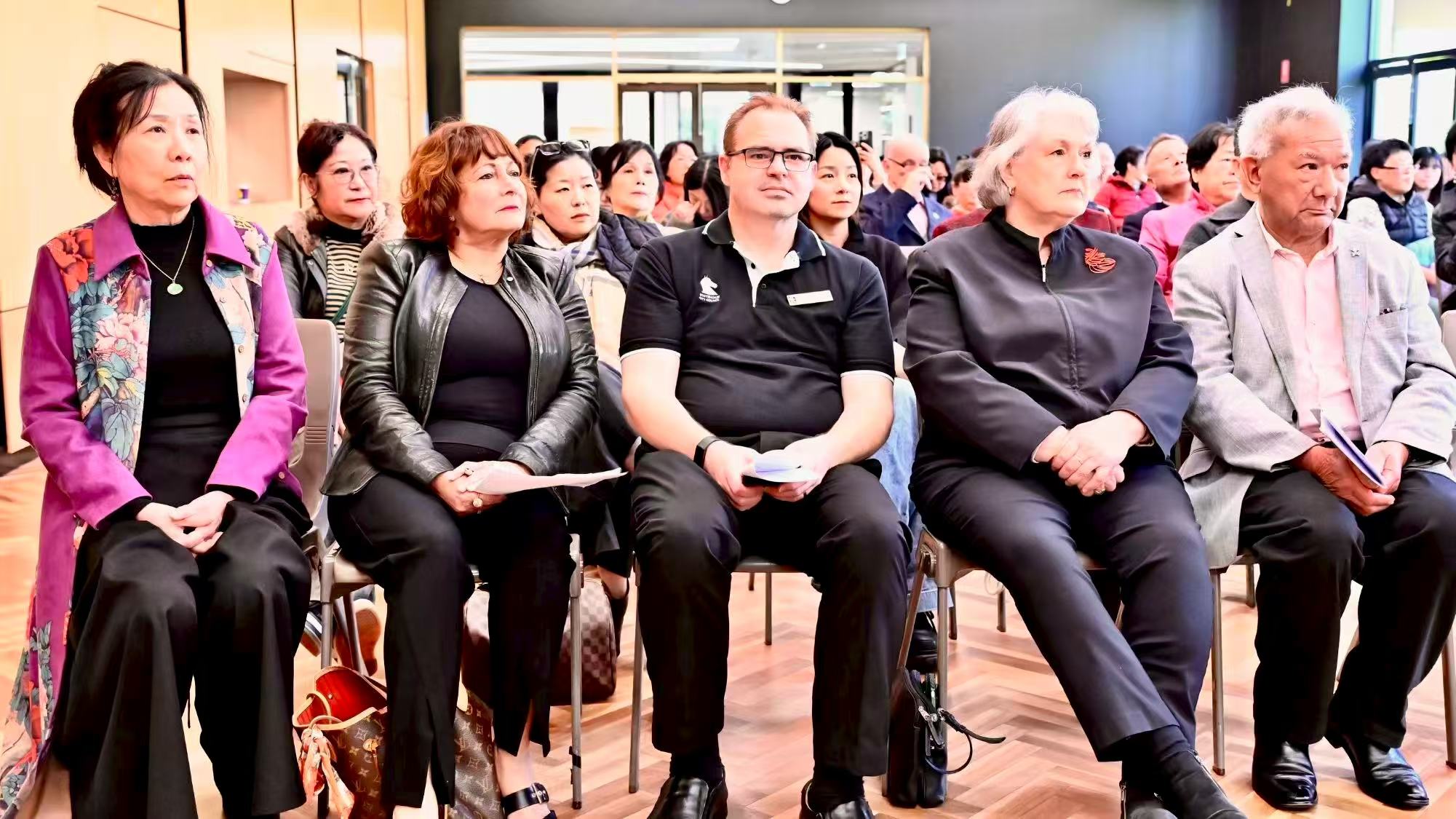
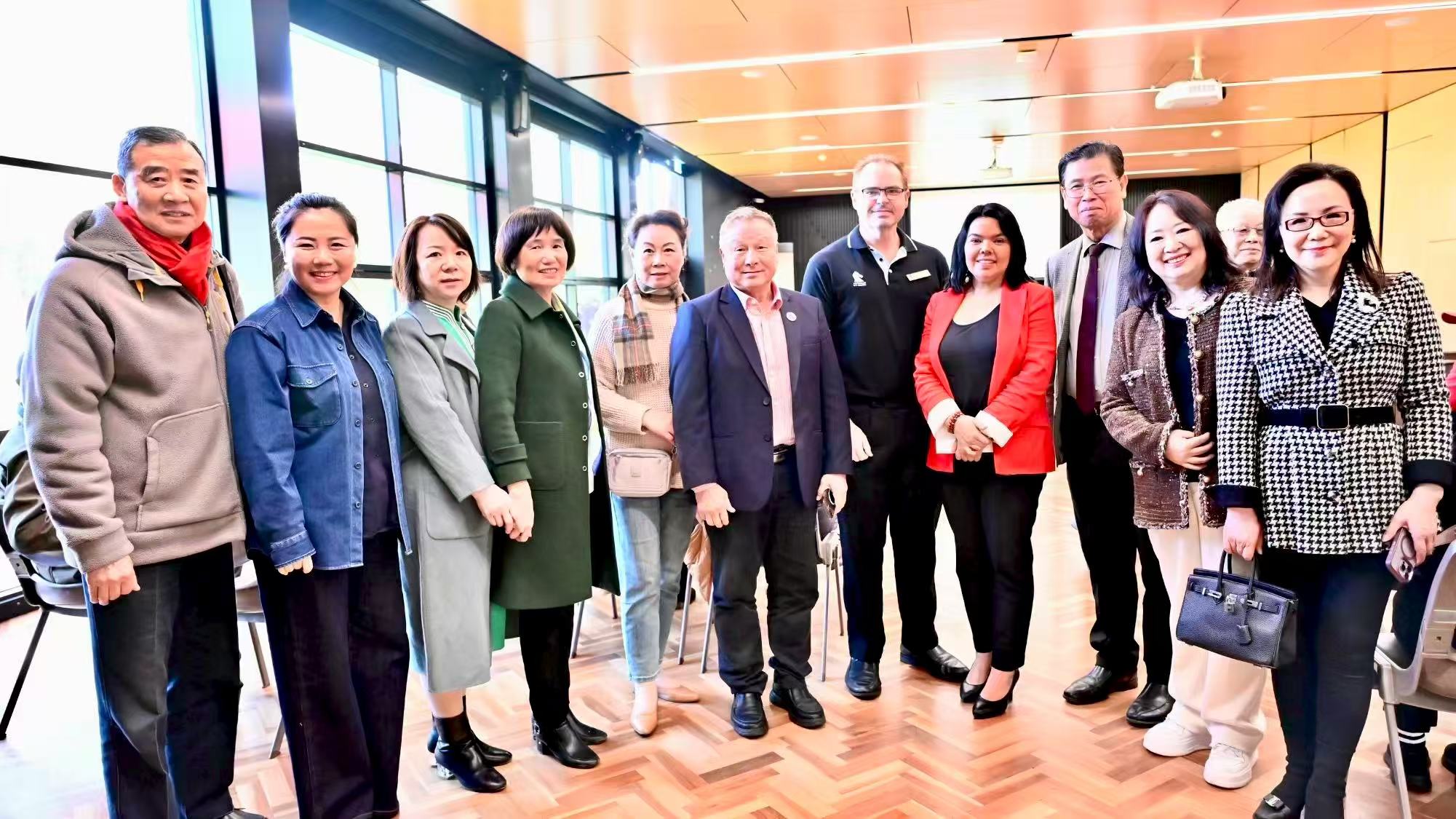
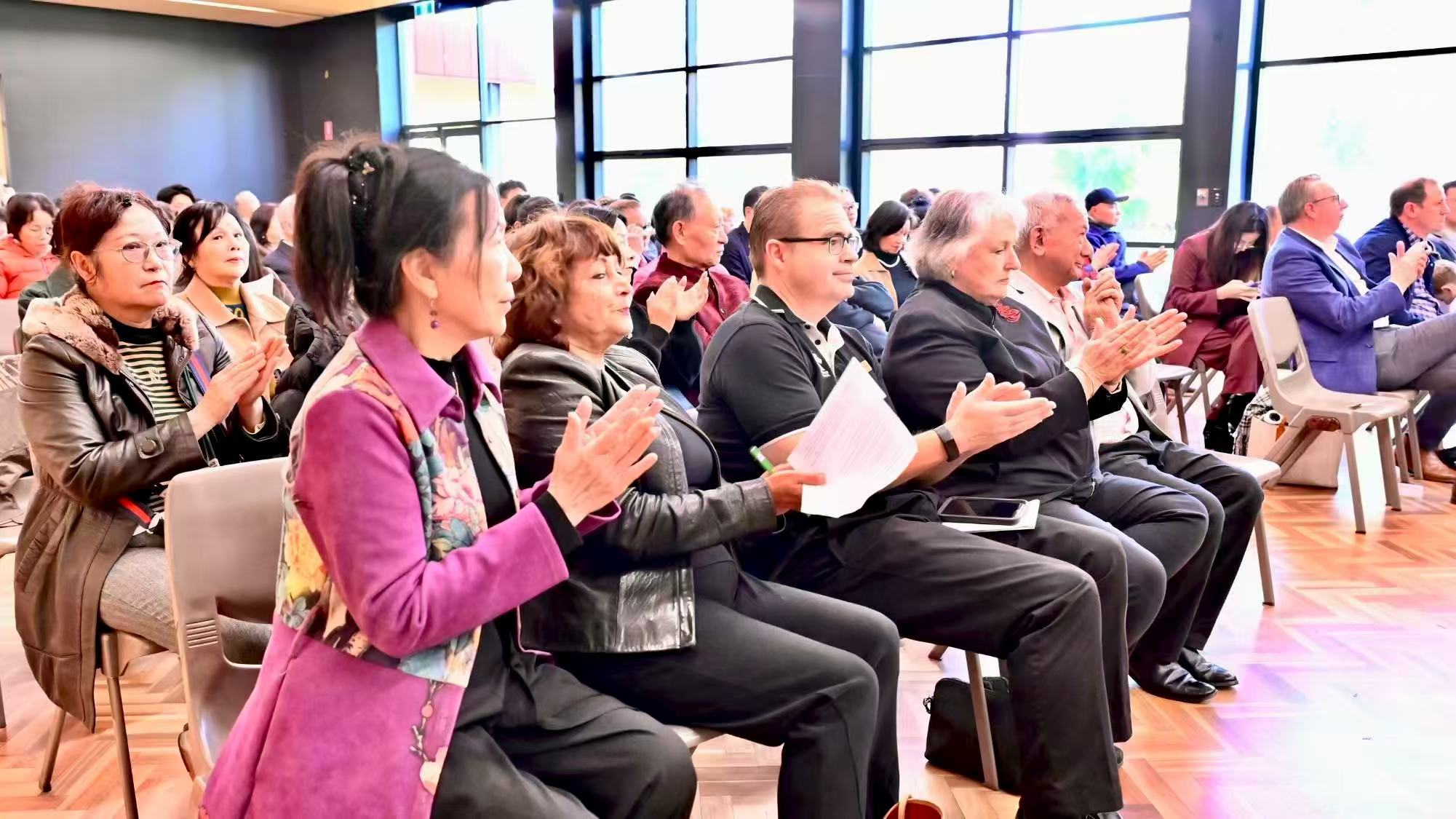
Melbourne — On the afternoon of 16 August 2026, Chinese Family Support Network Victoria held a ceremony at Mount Waverley Community Centre to mark its establishment, unveil the organisation and launch its 2026 Community Education Program. Federal, state and local political representatives, community leaders, academics, representatives of professional organisations and volunteers gathered to witness the establishment of a new professional support network for Chinese families in Victoria. The occasion opened a new chapter in supporting local Chinese families to settle and participate in society, safeguard their rights, strengthen mental wellbeing and contribute to shared community governance in a multicultural society.
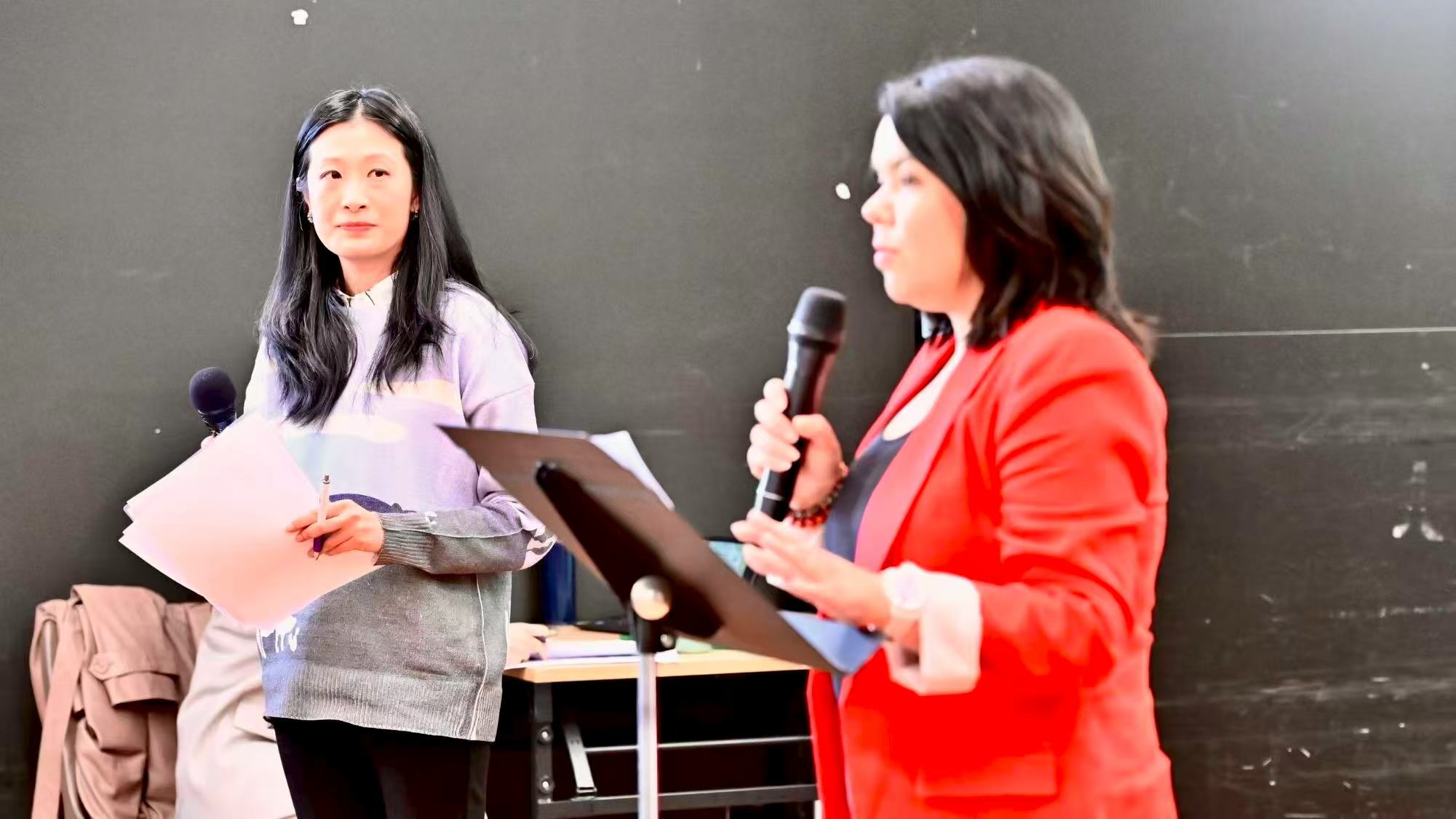
The launch ceremony was professionally hosted by experienced master of ceremonies Angie Zhang. Federal Assistant Minister Julian Hill, who had been scheduled to attend, was urgently recalled to Canberra on federal government business and was unable to be present. The event nevertheless remained a high-profile occasion, with political representatives from different levels of government coming together to witness this milestone for the Chinese community.
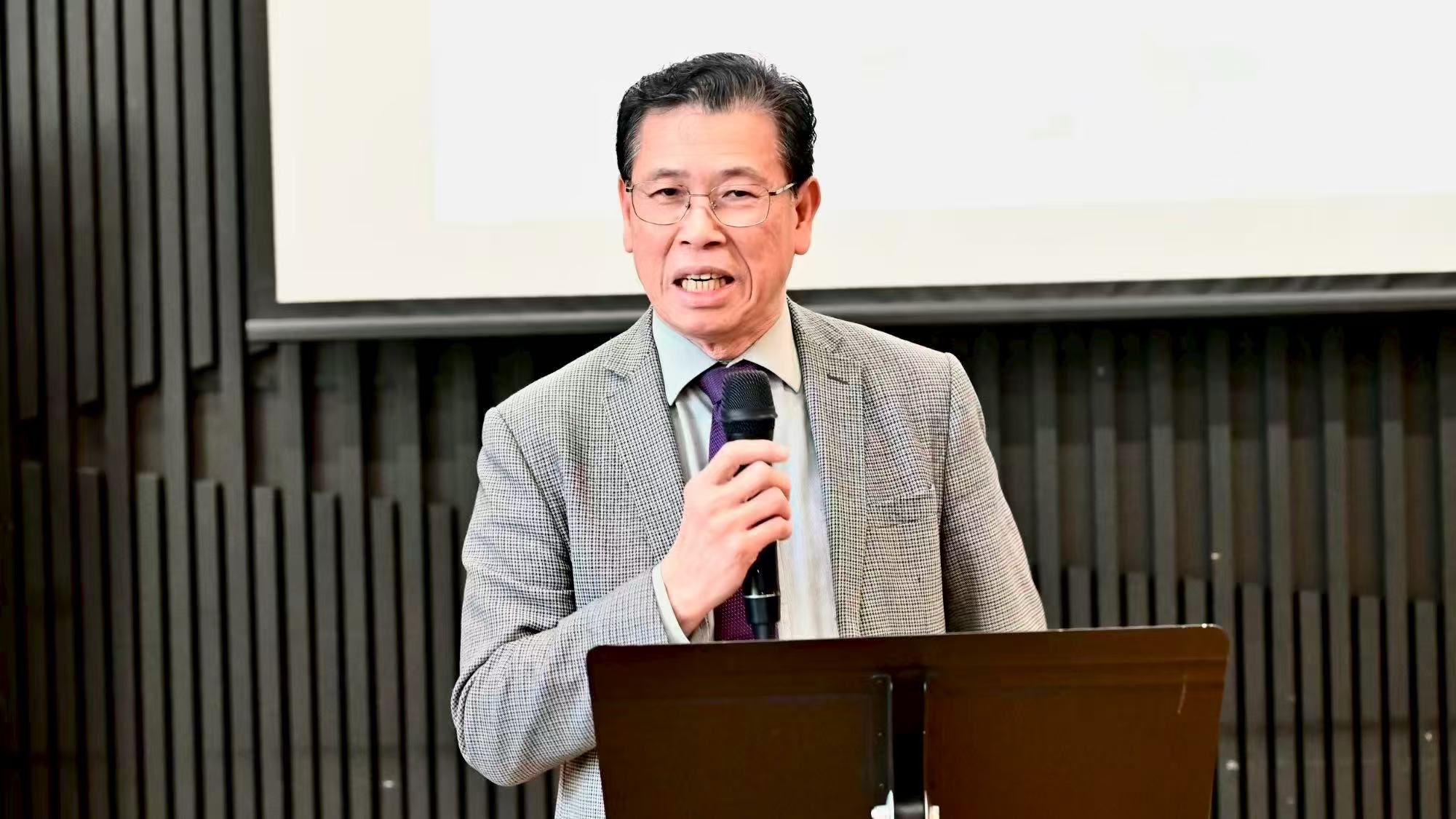
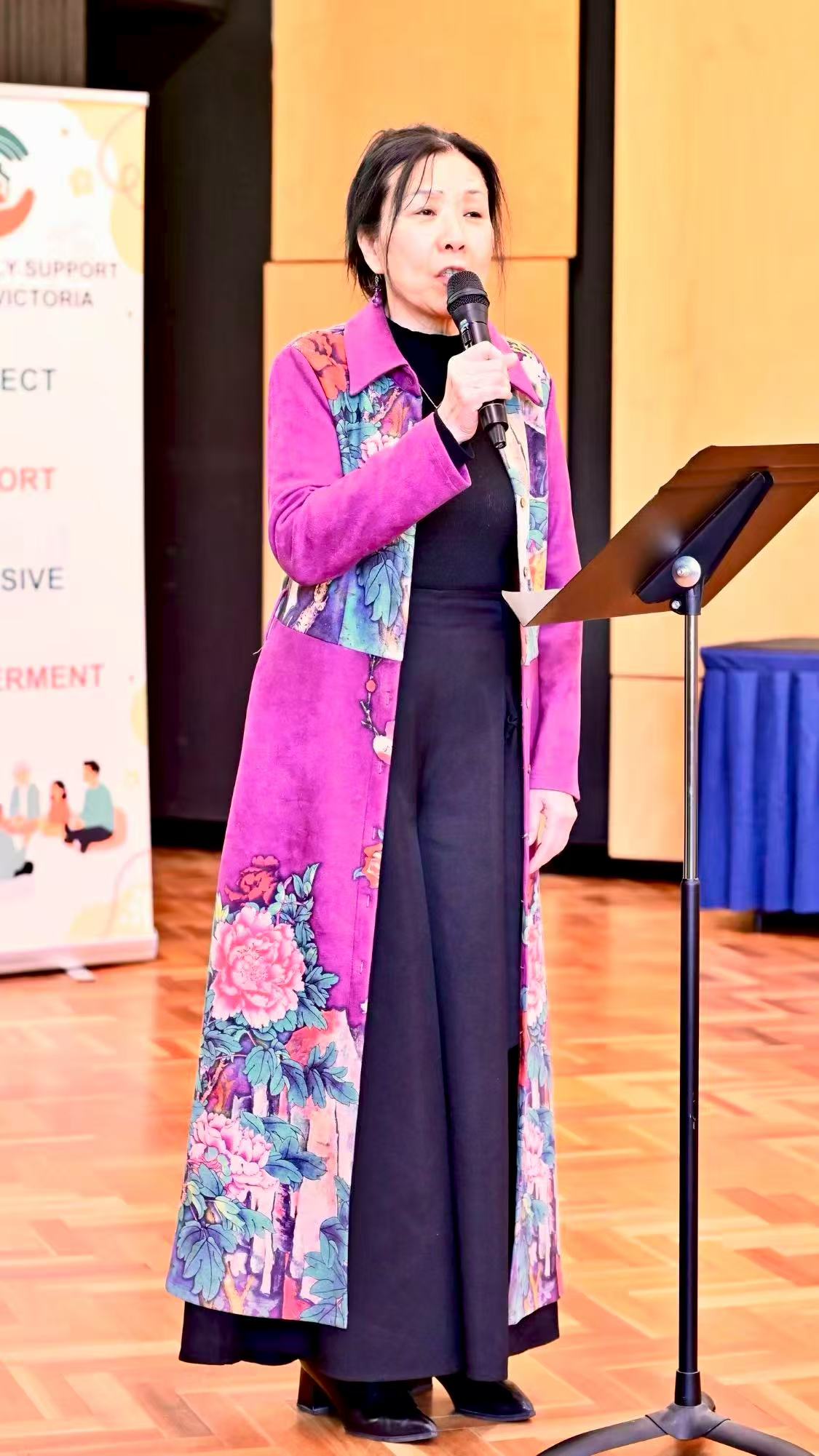
The ceremony began with opening remarks from Junxi Su (苏俊希), Chair of Chinese Family Support Network Victoria, who outlined the organisation’s founding purpose and vision for the year ahead. Drawing on a strong professional background in social work and many years of frontline service in Victoria’s Chinese community, Junxi Su emphasised that the greatest difficulties facing newly arrived migrant families are often not a lack of resources, but barriers to information, unfamiliar systems, cultural differences and a lack of pathways to assert and protect their rights.
Many Chinese families are unfamiliar with Australia’s education, healthcare, welfare and legal systems. When difficulties arise, they may not know where to seek help, how to advocate for their rights or how to participate fully in the wider community. Chinese Family Support Network Victoria was established in response to these longstanding community needs. With education and empowerment, family support, mental wellbeing and rights advocacy at the heart of its mission, the organisation seeks to systematically bridge the gap between government services and the practical needs of Chinese families.
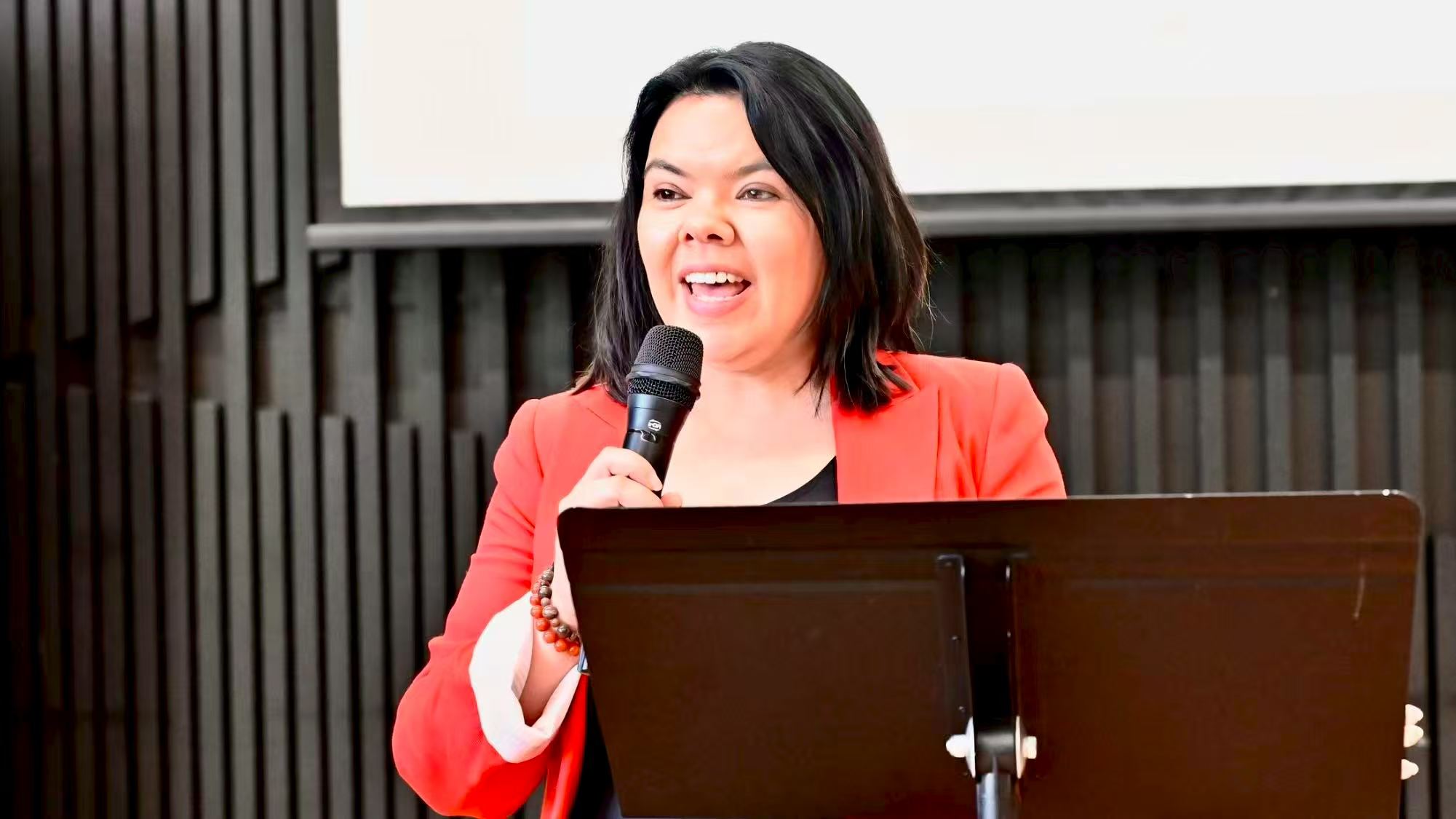
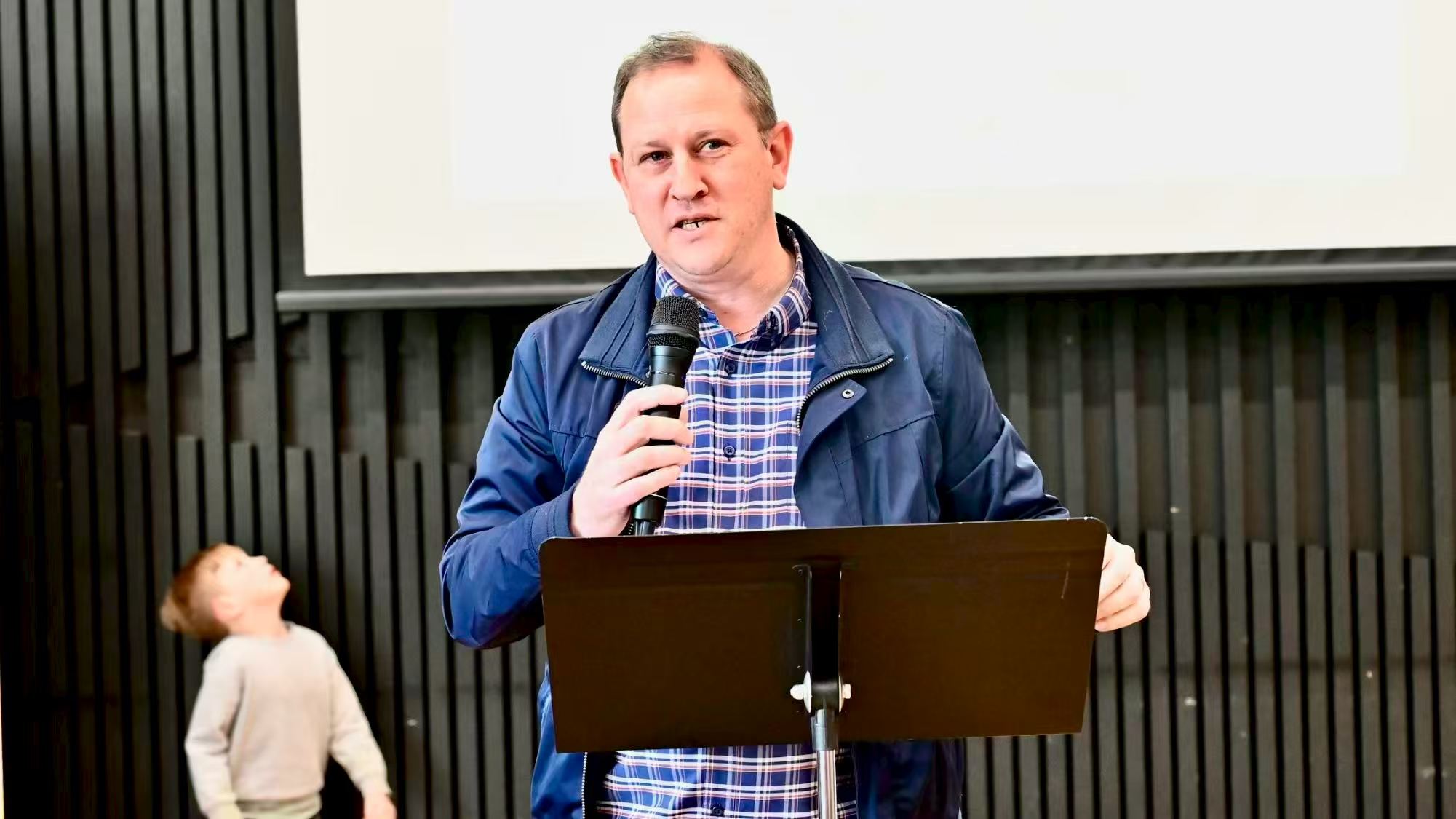
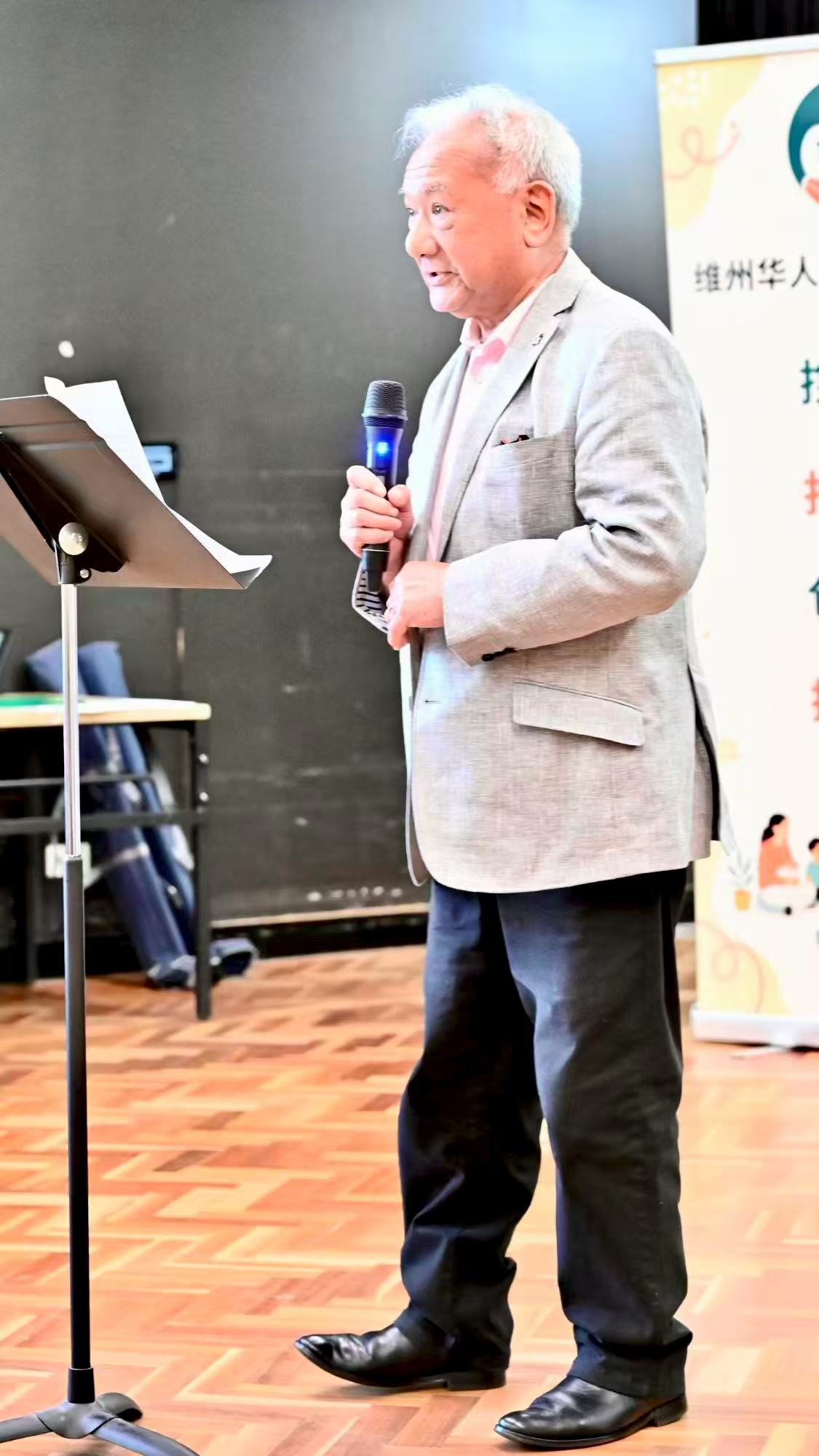
Several political representatives addressed the gathering, expressing strong support for and appreciation of the organisation’s establishment.
Speakers included Matt Fregon, Member for Ashwood and Deputy Speaker of the Victorian Parliament; Eden Foster MP, Member for Mulgrave; Cr Stuart James, Mayor of Monash; Cr Li Zhang, Deputy Mayor of Glen Eira; Beverley Pinder OAM, former City of Melbourne Councillor; and Mr Arthur Sung Ta Wu (伍颂达), Chair of the Melbourne Chinese Masonic Society.
The guests recognised the outstanding contributions that Victoria’s Chinese community has long made to Australia’s economy, education, commerce, cultural exchange and volunteering. They described the establishment of Chinese Family Support Network Victoria as an important milestone in the development of more professional, systematic and well-structured services for the Chinese community.
The political representatives highlighted the central value of the Community Education Program: building a life in a new country requires more than housing and employment. It also calls for an understanding of public systems, awareness of rights, support for mental wellbeing and a stable, welcoming sense of community belonging. A comprehensive government service system does not, by itself, mean that every family can benefit from it. Information in people’s own language, cultural empathy, professional guidance and structured education are essential to helping Chinese families understand how systems work, build confidence, support their families and participate in the wider community.
“To give people knowledge is to give them strength; strengthening every family strengthens the whole multicultural community.”
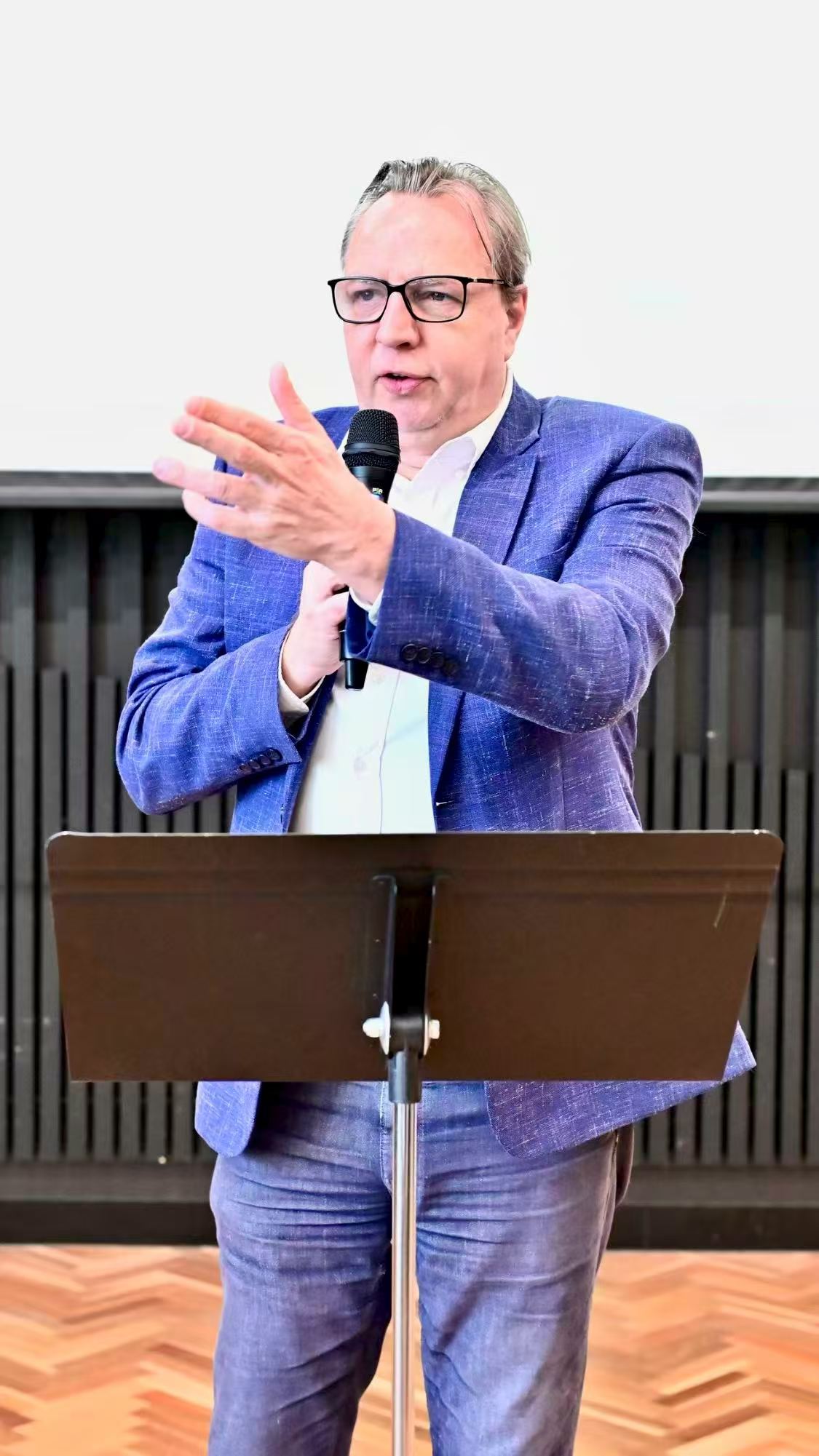
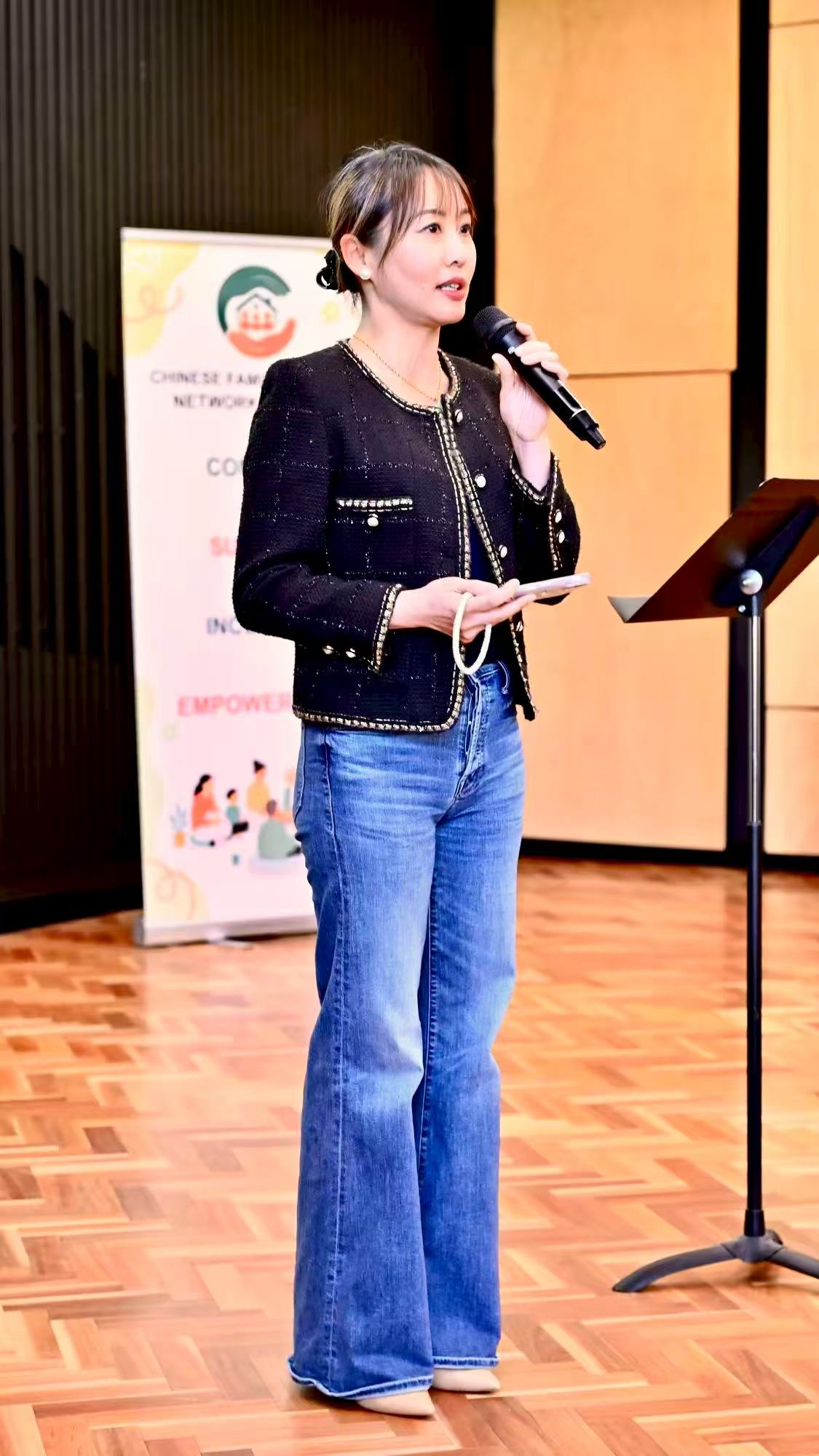
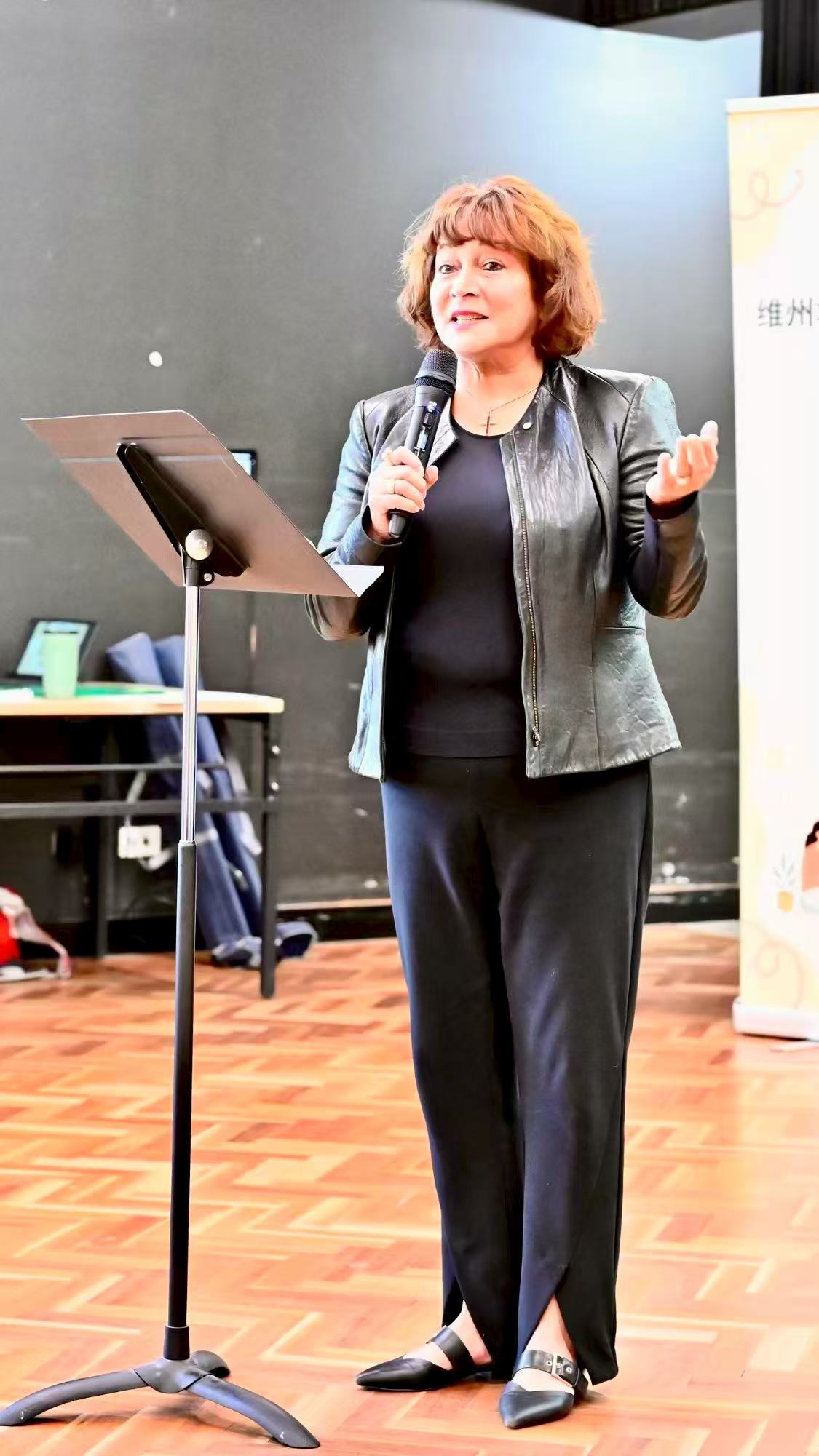
During the ceremony, the organisation formally announced its new board structure and professional service team. Their expertise spans Chinese community connections, Chinese Australian history, mental health, commerce and business associations, women’s health, seniors’ rights, youth development, family education, artificial intelligence, media and communications, volunteer training and community activities, establishing a comprehensive, multidimensional community service framework for people of all ages.
The New Board’s Core Members
Executive Chair: Anthony Leong, former President of the Australia-China Friendship Society (Victoria) and a Board Member of the Museum of Chinese Australian History.
Board members include Cr Andrew Davenport, Whitehorse City Councillor; Beverley Pinder OAM, former City of Melbourne Councillor; Vasan Srinivasan, Chair of Mental Health Foundation Australia; and Cui Zhuoming (崔卓明), founding President of the Jiangmen Chamber of Commerce, alongside other experienced community leaders.
The Core Professional Delivery Team
Special Advisers:
George Lekakis
Former Chairperson
Victorian Multicultural Commission
Judy Tang OAM
Experienced specialist with a doctorate in psychology
Former Victorian Multicultural Commission commissioner.
Introducing the Operational Team:
- • Organisational coordination and community advocacy: Junxi Su (苏俊希), a longstanding community service practitioner.
- • Media and public relations: May Hu OAM (胡玫), an experienced media professional with SBS and 3ZZZ.
- • Financial operations: Maurice Zhang CPA, an experienced Certified Practising Accountant and President of the Fudan University Alumni Association.
- • Administration and IT development: Raymond Wang (王治坚).
- • Women’s health and protection: June Anderson (陈东军) and Rowana Chen (陈琛).
- • Seniors’ rights protection: Cindy Xue (薛雅心) and Xiaoyue Wang (王小月).
- • Family education and parent–child empowerment: Dr Anne Pang OAM (黄碧瑶) and Willie Tusi.
- • Mental health academic team: Dr Li Lin (李林) of the University of Melbourne, Ruyi and other members of the expert team.
- • Youth development: Jeremy Wang, Zihao Chen (陈子豪), Melody Chen (陈旻瑶) and Ai Xiang.
- • Skills training and AI education: Angie Zhang (张琦) and Alex Liang (梁志军).
- • Community activity coordination: Linda Liu (刘莉), Amanda Chen (陈碧红) and Amy Liu.
- • Volunteer training and advocacy capacity-building: Dr Emily Hu and Junxi Su (苏俊希).
This multidisciplinary team brings together broad expertise, strong academic qualifications and extensive professional experience. Its formation marks the organisation’s transition into a new phase of high-quality community service that is professional, well-structured, enduring and sustainable.
A Major Highlight of the Launch:
Chinese Family Support Network Victoria and Mental Health Foundation Australia formally signed a strategic service partnership agreement. The two organisations will work closely together on mental health education for Chinese communities, family relationship counselling, emotional interventions, psychological support for people with chronic conditions, multicultural mental health education and community mental health assistance, systematically addressing gaps in mental health services for Melbourne’s Chinese community.
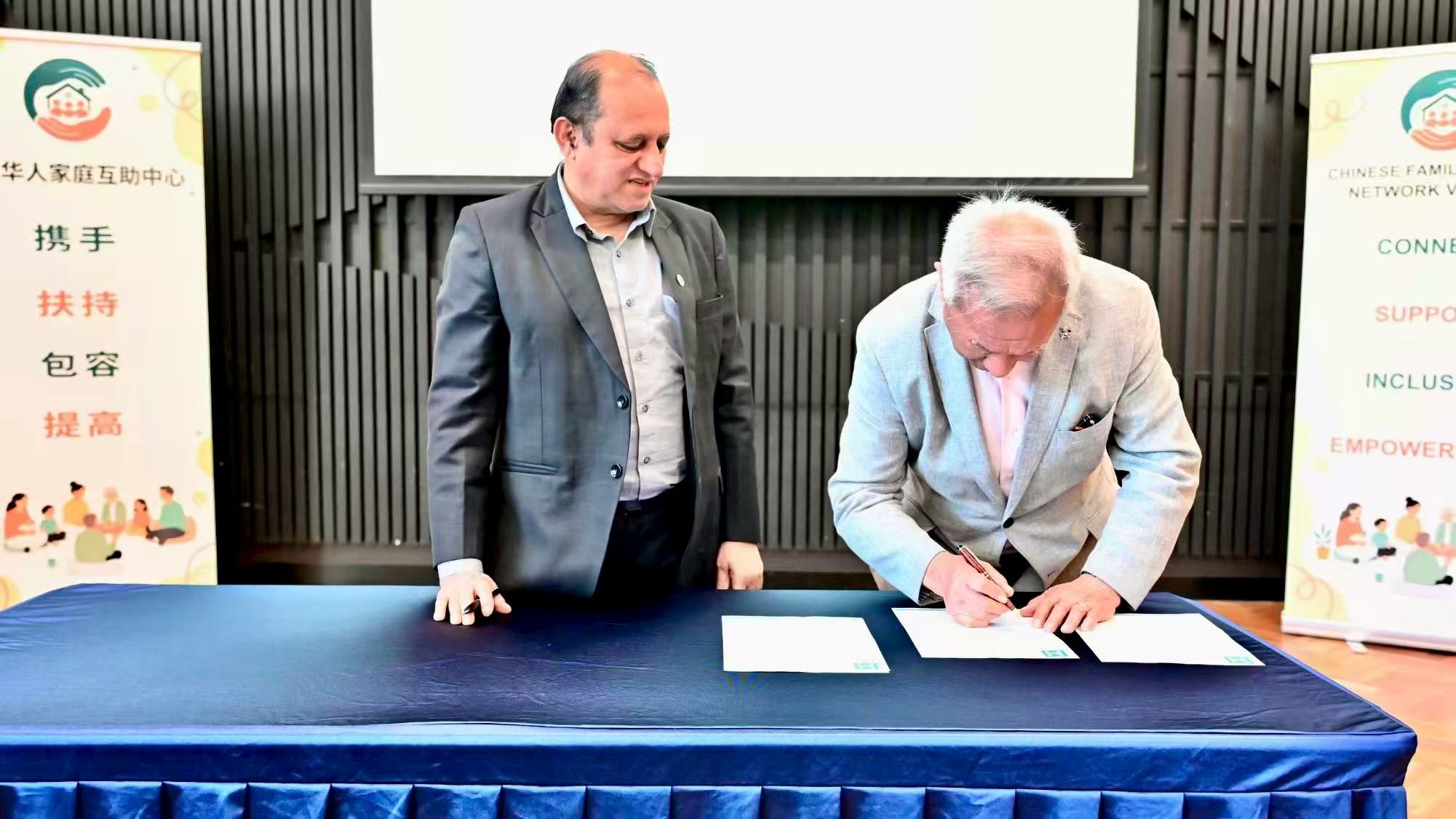
The full core team then came together to present the organisation’s service philosophy, annual plans and vision. They pledged to accompany, support and safeguard every Chinese family in Australia through professional, sincere, practical and sustained service.
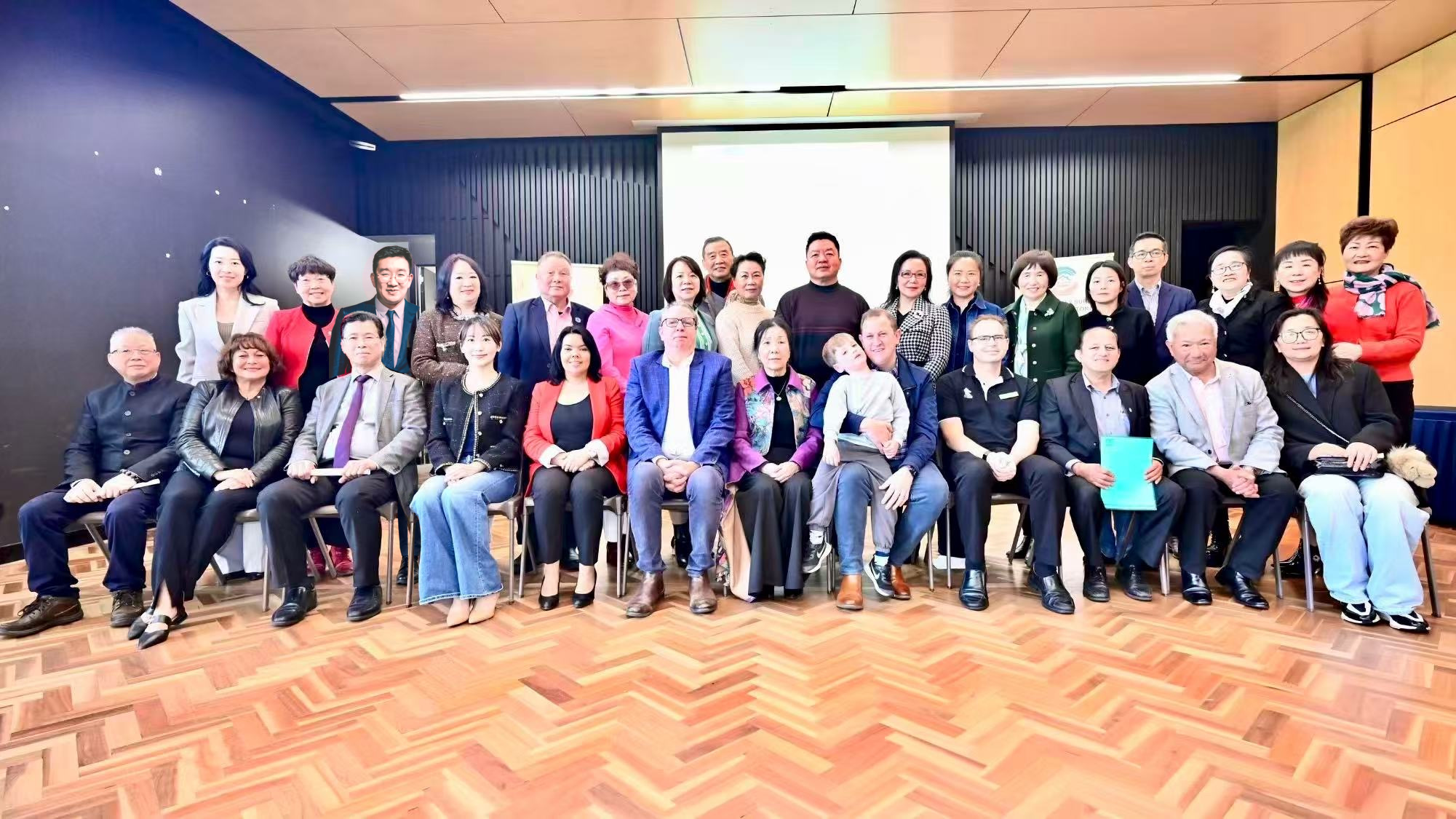
The ceremony concluded with a group photograph of the guests, board members and volunteers. Afternoon tea and informal conversation brought the event to a close in a warm and welcoming atmosphere.
The Wider Social Significance of the Organisation and Program Launch
The establishment of Chinese Family Support Network Victoria and the launch of its 2026 Community Education Program mark a shift in services for Melbourne’s Chinese community: from scattered, informal and fragmented assistance towards a new framework of systematic education, structured empowerment, professional support and enduring governance.
The program’s core value is reflected in five key areas:
- 1. Addressing the central challenges facing new migrants: tackling longstanding difficulties arising from unfamiliar systems, uncertainty about rights, unclear pathways to assistance and a lack of knowledge about how to advocate for those rights.
- 2. Empowering families through education: sharing knowledge of Australia’s education, healthcare, welfare and legal systems to substantially reduce the costs and difficulties Chinese families face when settling into the wider community.
- 3. Supporting the community’s mental wellbeing: responding directly to migration-related stress, cultural conflict, intergenerational tensions and the isolation that can accompany life overseas.
- 4. Removing barriers through professional expertise: using support in people’s own language, cultural understanding and local experience to bridge the final gap between government services and Chinese families.
- 5. Nurturing a capable and confident new generation in the Chinese community: helping Chinese migrants understand systems, develop their abilities, speak up with confidence and participate fully in society.
Looking ahead, Chinese Family Support Network Victoria will continue to provide a regular, diverse range of services, including family education classes, rights-awareness talks, mental health discussion sessions, volunteer training, women’s empowerment, seniors’ rights advocacy, youth development programs, AI skills education and cross-cultural adjustment training. Through this work, the organisation will continue to help Chinese families in Victoria build secure and fulfilling lives, participate fully in society and have their voices heard, while making a lasting Chinese community contribution to Australia’s multicultural prosperity.
Moments from the day
Event gallery
2026.08.16 · Mount Waverley